You just closed on a Sandy Springs home and life is not slowing down. Between new keys, utilities, vendors, and HOA rules, the first 90 days can make or break your ownership experience. You deserve a smooth handoff that protects your time and your property. This guide gives you a clear, local roadmap for post‑close estate management tailored to Sandy Springs.
Let’s dive in.
Why post‑close management matters here
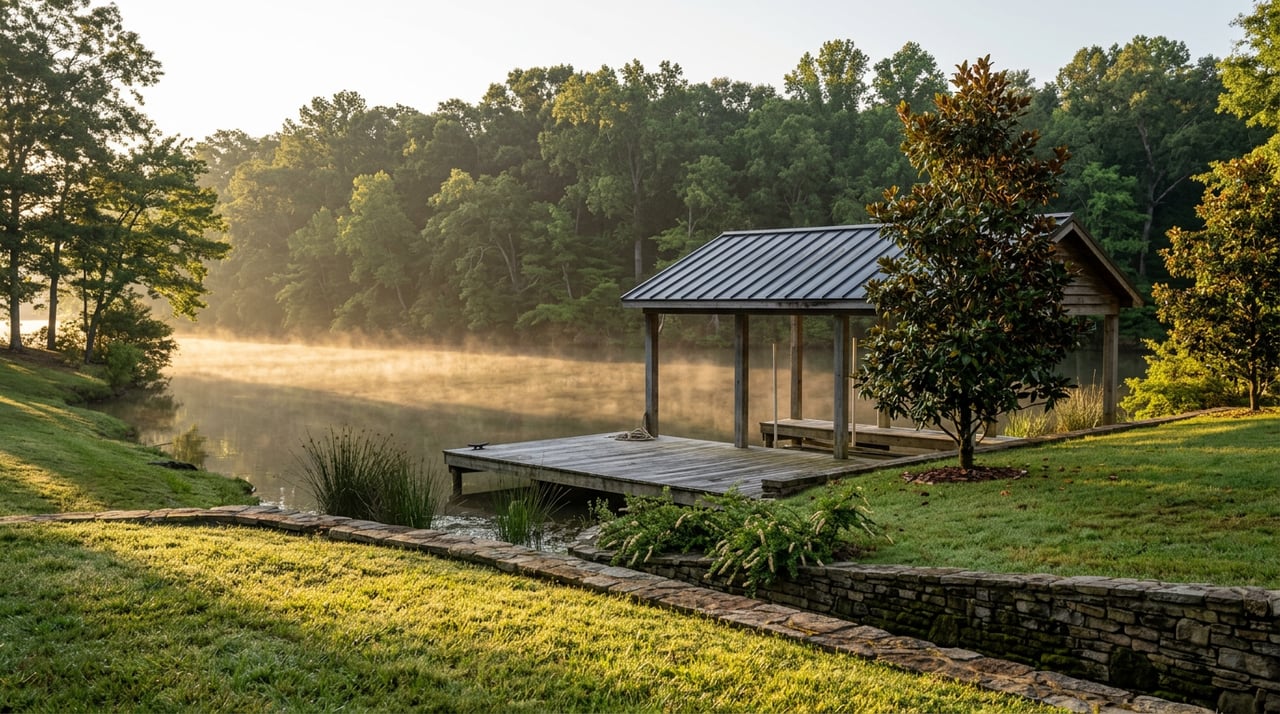
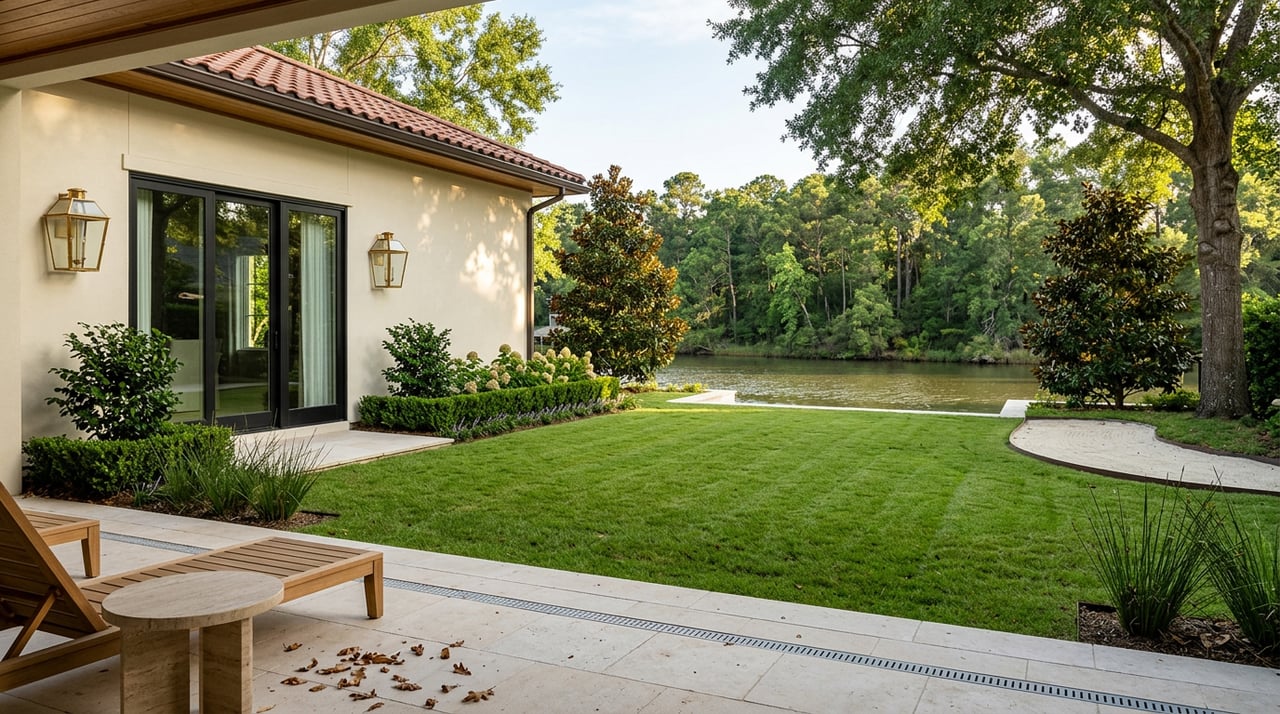
Sandy Springs sits along the Chattahoochee River with wooded lots and stream corridors. That setting is beautiful, but it adds considerations like flood risk, riparian buffers, erosion control, and tree protections. Many neighborhoods also have HOAs or architectural controls that influence exterior work and timelines.
The climate is humid subtropical. Hot summers drive heavy HVAC use, while humidity increases the risk of mold, mildew, and pests like termites and mosquitoes. A proactive plan for seasonal maintenance keeps comfort high and surprises low.
The housing mix ranges from older homes to new infill and renovations. Permit history, warranty records, and vendor documentation vary widely by property, so assembling a complete home dossier right after closing is essential.
Day‑of‑close and first‑week essentials
Handle these items as soon as you take possession to secure the home and prevent service gaps.
- Secure access: collect all keys, garage remotes, alarm codes; update smart locks and alarm logins with discreet protocols.
- Utilities and services: transfer or start electric, gas, water, sewer, trash, and internet/TV. Confirm deposits, activation windows, and who services your address.
- Insurance and taxes: verify homeowners insurance in force; confirm the Fulton County property tax account and escrow items; secure proof of insurance if your HOA requires it.
- Baseline safety: test smoke and CO detectors, GFCIs, and door/window locks.
- Documentation: gather manuals, warranties, permits, surveys, as‑builts, and HOA documents into a secure binder or digital portal.
First 30–90 days: build your operating plan
Create a foundation that keeps the property comfortable, compliant, and easy to manage.
Baseline inspections
Schedule a professional walkthrough with licensed technicians to establish condition and priorities:
- HVAC performance and ventilation
- Plumbing fixtures, water heaters, and exterior hose bibs
- Electrical panels, outlets, and obvious safety items
- Roof, gutters, grading, and foundation
- Pest inspection with termite focus
Document findings, photos, and recommended maintenance intervals.
Utilities, HOA, and accounts
- Confirm all utility accounts are in your name and autopay is set.
- Review HOA covenants and architectural control procedures. Note rules affecting paint colors, landscaping, parking, or construction hours.
- Set calendar reminders for assessment due dates and community approvals.
Home dossier and access control
- Centralize warranties, manuals, permits, surveys, HOA forms, and vendor contacts in a secure digital portal.
- Configure time‑limited access codes for vendors and guests. Log all visits for accountability.
Vendor orchestration you can trust
Build a vetted roster so the right help is always on call.
- Core vendors: lawn and landscape, irrigation, pool, HVAC, plumbing, electrical, pest control with termite coverage, housekeeping, appliance service, roofing, chimney, locksmith.
- Privacy and security: use background‑checked personnel, nondisclosure protocols when needed, and escorted access for new vendors.
- Scheduling and supervision: centralize recurring schedules, coordinate deliveries, and supervise on site for quality and security.
- Payment administration: set billing rules, track invoices, maintain a maintenance budget and reserve, and issue monthly reports.
Vendor vetting checklist
- Trade licenses and certifications where required
- Insurance certificates for general liability and workers’ comp
- Three references and recent project photos
- Clear contracts and warranty terms
- Background checks for anyone entering the home
Seasonal property care calendar
Proactive maintenance reduces emergencies and protects value in Sandy Springs’ climate.
- Spring: exterior inspection, gutter cleaning, irrigation start‑up and adjustment, termite inspection or baiting, HVAC cooling tune‑up, fresh mulch and plantings.
- Summer: irrigation monitoring, mosquito and pest control, pool upkeep, HVAC filter changes and performance checks.
- Fall: HVAC heat‑season tune‑up, leaf management, gutter readiness, winterize irrigation and exterior water lines as needed.
- Winter and minor freezes: pipe and irrigation freeze protection, rare snow/ice plans, schedule deferred exterior work.
- Annual: full systems review, roof and attic check, chimney cleaning if applicable, and an energy efficiency assessment.
Renovations and capital projects
When you plan improvements, a disciplined process avoids delays and rework.
Pre‑project due diligence
- Confirm permit requirements with City of Sandy Springs Development Services.
- Check flood zones and stream buffers if near waterways; consult FEMA flood maps and local guidance.
- Review HOA approvals, tree protections, and any utility easements.
- Verify your survey and document existing conditions.
Scope, bids, and contracts
- Draft a clear scope of work with materials, specs, and deliverables.
- Solicit multiple bids from vetted contractors and compare schedule, cost structure, and warranty.
- Use written contracts with milestones, change‑order rules, payment schedule with retainage when appropriate, and lien waiver requirements.
On‑site management and closeout
- Coordinate trades, supervise daily, and conduct quality control checks.
- Keep a punchlist with photo documentation and regular owner updates.
- On completion, collect warranties, manuals, final inspections, and lien waivers. Update your insurance and tax records with the improvements.
Risk, permits, and protections
A little compliance work up front preserves value and avoids fines or delays.
- Permits and inspections: structural, exterior, and most mechanical, electrical, or plumbing changes typically require city permits and inspections. Always confirm before work begins.
- Environmental rules: properties built before 1978 may trigger federal lead‑safe Renovation, Repair and Painting rules for certain work. Use certified renovators when required.
- Flood and buffers: even outside mapped floodplains, low‑lying or riparian lots can face localized flooding. Evaluate potential risk, insurance needs, and buffer restrictions.
- Tree protections: many neighborhoods and local ordinances limit significant tree removal or require mitigation. Confirm approvals before landscape changes.
- Moisture and pests: Georgia’s termite pressure is high. Maintain inspection or treatment contracts and ensure proper ventilation and dehumidification to prevent mold.
- Insurance and liability: verify adequate homeowners coverage. Require vendor insurance certificates and consider adding the homeowner as additional insured when appropriate.
- Data privacy: store access codes and documents in secure systems. Limit public sharing of service schedules and use trusted, background‑checked staff.
Budgeting and pricing signals
A simple structure keeps spending clear and predictable.
- Management models vary: some combine a flat monthly retainer with per‑service charges, others price renovations by a percentage of project cost, or bill à la carte.
- Build an annual operating budget for routine services like landscape, HVAC maintenance, pest control, pool service, cleaning, and security monitoring.
- Maintain a capital reserve for major items such as roof replacement, HVAC systems, and exterior projects. Many owners plan by home size or a percentage of value.
- Request monthly operational reports and quarterly capital planning updates to stay ahead of big expenses.
A discreet, integrated approach
When your time is limited, a single point of accountability simplifies everything. With a pre‑qualified vendor network, on‑site supervision, documented protocols, and consistent reporting, you get a home that runs smoothly without constant oversight from you. For high‑profile clients, privacy measures like secure access control and nondisclosure protocols come standard.
Your Sandy Springs onboarding roadmap
Use this quick framework to organize your first quarter after closing.
- Pre‑arrival checklist: keys and access, utilities and internet, alarm setup, and insurance confirmation.
- First‑week deliverables: baseline inspections, vendor scheduling, deep clean, and welcome stocking of essentials.
- First 90 days: maintenance calendar, HOA introductions and approvals, standing vendor contracts, and a prioritized project list with budgets.
- Ongoing cadence: monthly operational reports, quarterly capital planning, and annual full‑home reviews.
If you want a single, trusted adviser to coordinate all of this with discretion and accountability, connect with Candis Rosier for a private consultation.
FAQs
What should I do the day I close on a Sandy Springs home?
- Secure keys and alarm access, transfer utilities and insurance, schedule baseline systems inspections, gather manuals and warranties, and obtain HOA onboarding documents.
How do I confirm permits for my planned renovation?
- Contact City of Sandy Springs Development Services and review HOA rules. Structural, exterior, plumbing, electrical, and mechanical changes typically need permits.
Should I consider flood insurance if I am not in a mapped flood zone?
- Consider it if your property is near waterways or in low‑lying areas with localized flooding history. Use FEMA flood maps and local guidance to assess risk.
How are in‑home vendors vetted for privacy and security?
- Verify licenses and insurance, check references, run background checks for anyone entering the home, use time‑limited access codes, log all visits, and use NDAs when appropriate.
What recurring costs should I plan for in Sandy Springs?
- Lawn and landscape, HVAC maintenance, termite and pest control, pool service if applicable, security monitoring, housekeeping, and management fees, plus a separate capital reserve.
How can HOA rules change my post‑closing plans?
- HOAs can guide exterior changes, landscaping, paint colors, parking, and construction hours. Obtain covenants and architectural procedures early to avoid delays or fines.
What documentation should a white‑glove manager provide?
- A complete onboarding packet with utility and vendor details, warranties and permits, inspection reports, a maintenance calendar, budget guidance, and secure access credentials.