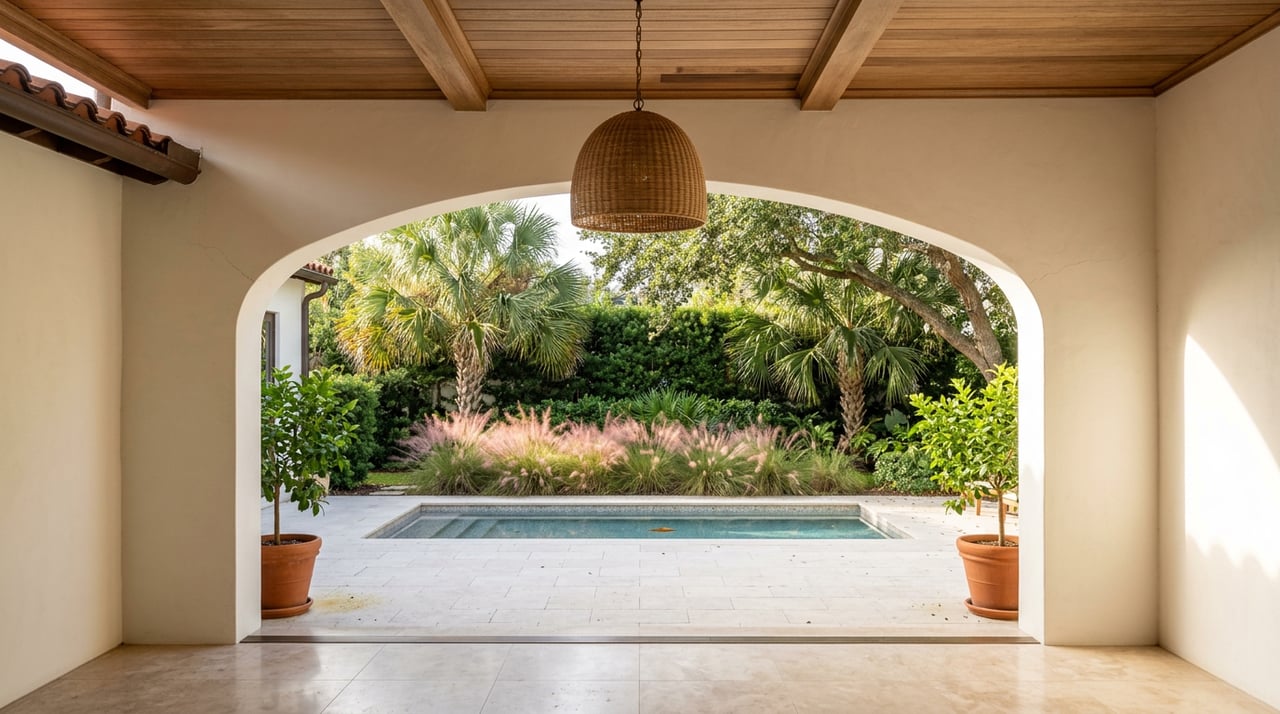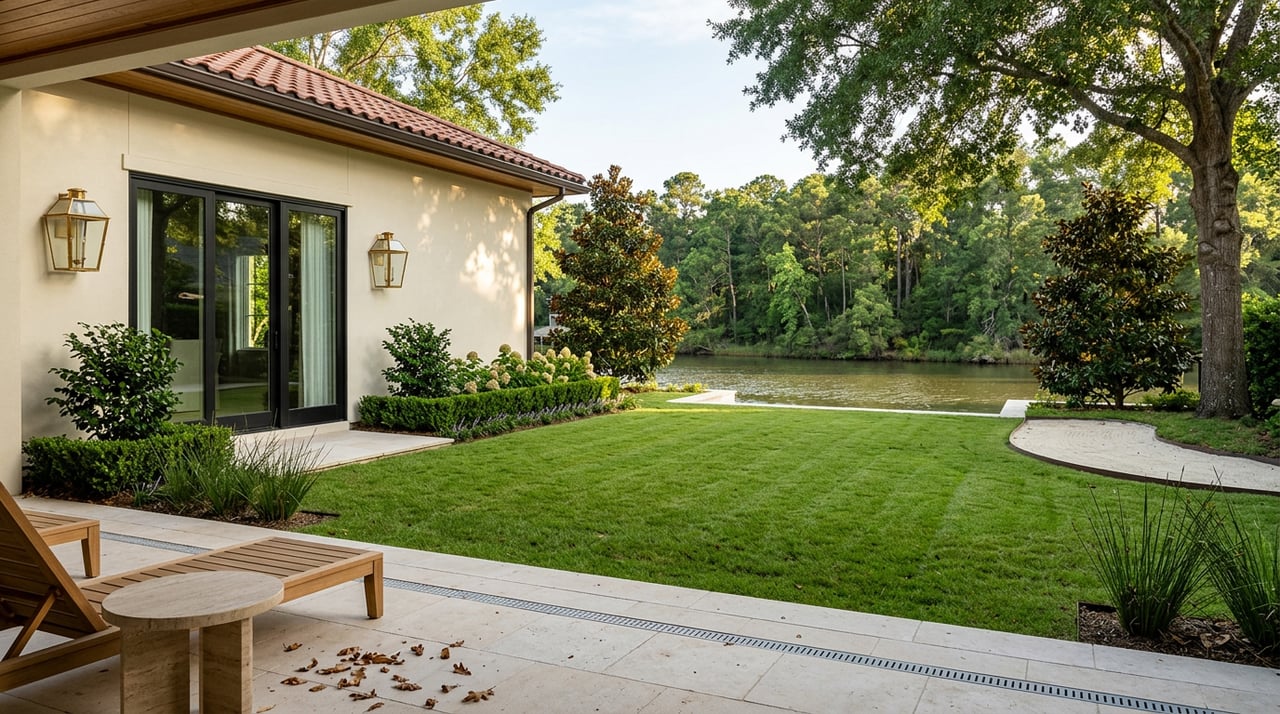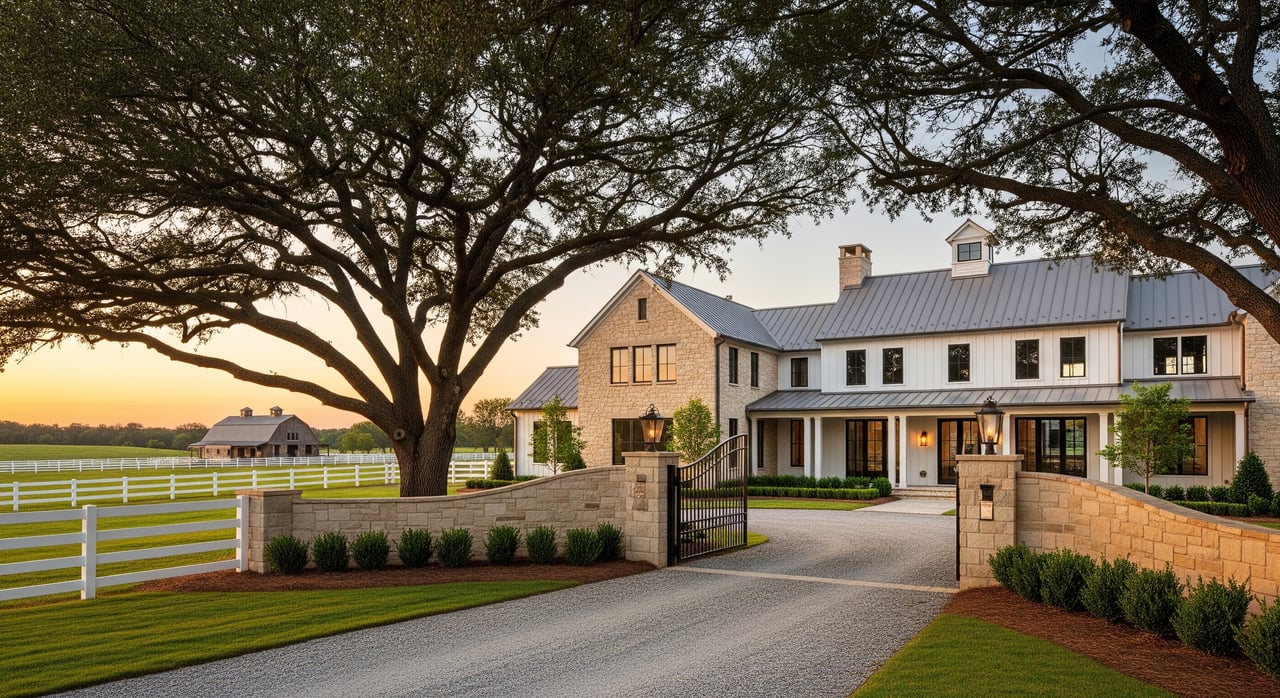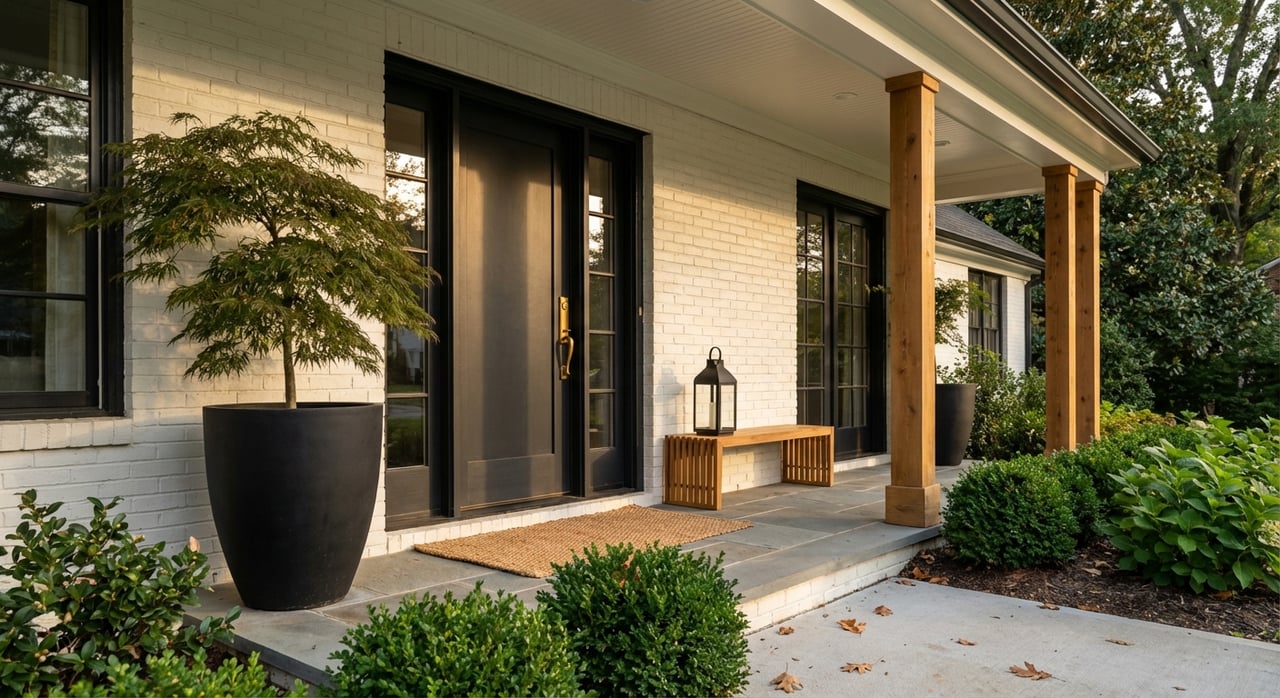
Ready to right-size your Buckhead lifestyle but torn between a luxury condo and a townhome? You want less maintenance, smart services, and an elegant place to host without giving up comfort and privacy. In this guide, you’ll see how each option fits lock-and-leave living, what fees really cover, and how to vet amenities and rules so your choice matches your daily rhythm. This article focuses on Buckhead in Morgan County, not the Atlanta neighborhood. Let’s dive in.
Know your Buckhead
Buckhead in Morgan County offers a small-town setting with lower density than intown Atlanta. That context matters because walkability, on-site services, and amenity packages will differ from an urban high-rise environment. In a rural or suburban setting, you often drive to dining, groceries, and medical care, so parking and garage access take on more importance. Keeping this in mind will help you weigh lifestyle tradeoffs between condos and townhomes.
Condo vs townhome at a glance
- Luxury condos often deliver one-level living, controlled access, and staffed services that simplify lock-and-leave ownership.
- Luxury townhomes generally provide more square footage, private entries, an attached garage, and small outdoor spaces for added privacy.
- Condos tend to offer more on-site amenities and services, which can mean higher monthly fees.
- Townhome fees vary by community and services offered. In luxury gated settings, they can be comparable to condo dues.
Privacy and space
Condos
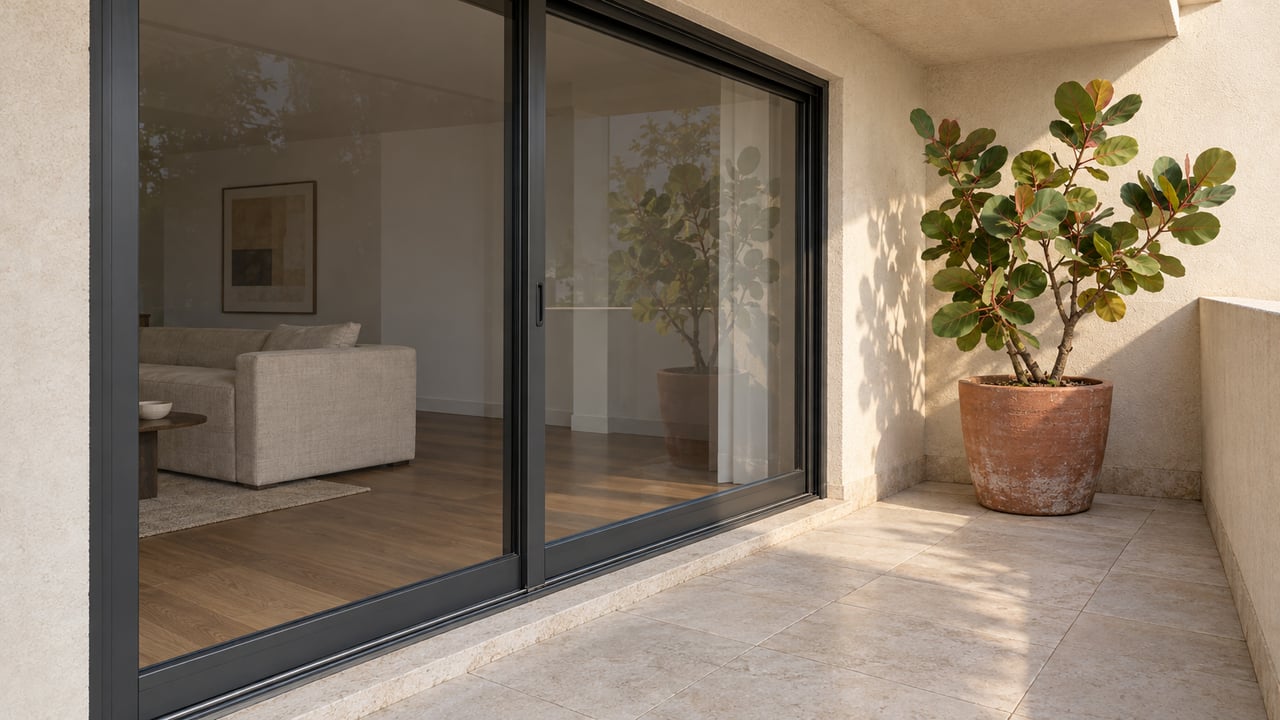
You typically live on a single level with shared hallways and elevators. Balconies are common, but yards are rare. Neighbor noise can be a factor since units are stacked, though quality construction can help. Larger floor plans and penthouses exist at premium prices and work well for downsizers seeking one-level ease.
Townhomes
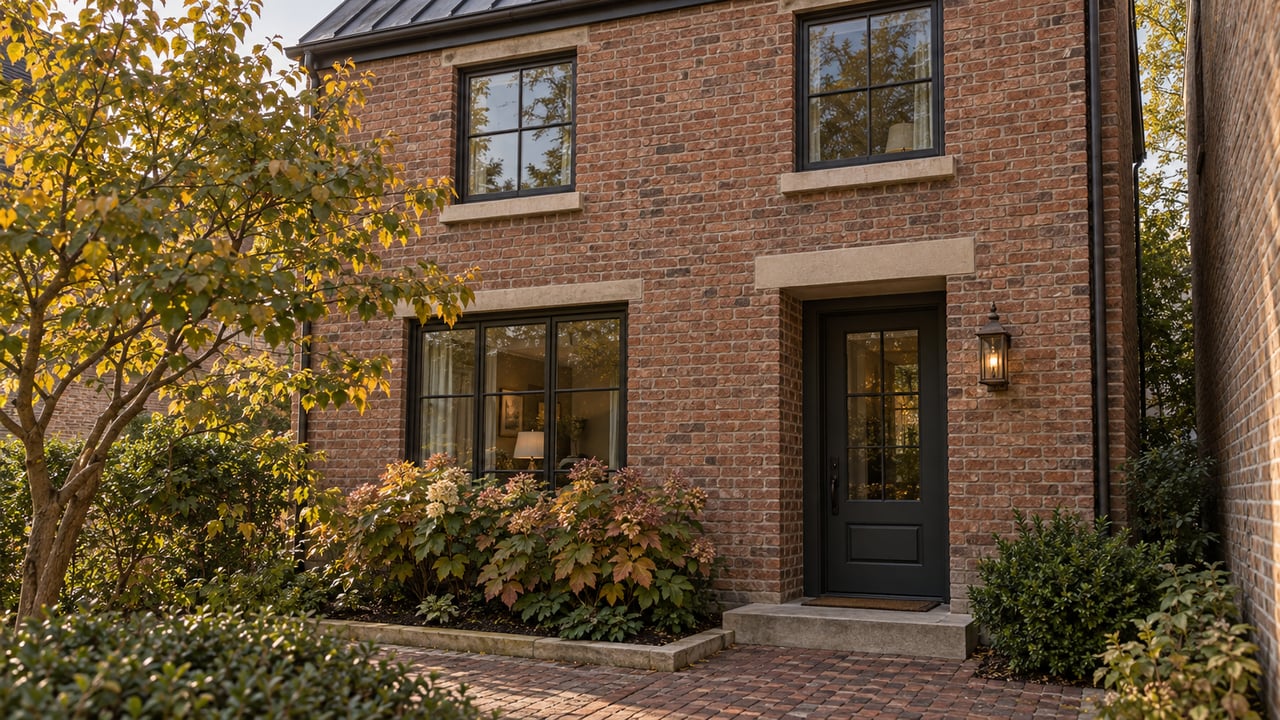
You usually have a private front door, an attached garage, and a small yard or patio. Multi-level layouts create natural separation between living and sleeping areas. You may share walls with adjacent homes, but you avoid neighbors above or below. If you value private outdoor space and more storage, a townhome often fits better.
Services and amenities
Concierge and valet
- Condos: Luxury buildings commonly include concierge or doorman service, package handling, valet or structured parking, and on-site management. These are ideal for lock-and-leave and pied-à-terre living.
- Townhomes: High-end communities may provide gated access or limited staff presence, though full 24/7 concierge or valet is less common. An attached garage often covers most parking needs.
Shared amenities
- Condos: You often see fitness centers, pools, club rooms, business suites, rooftop terraces, and sometimes guest suites. These conveniences add social and lifestyle value and are reflected in monthly fees.
- Townhomes: Amenities vary by community. You might have a small clubhouse, pool, trails, or gardens. Extensive spa-style packages are less common unless the community is designed as a luxury gated development.
Fees and maintenance
What monthly dues cover
- Condos: Dues generally cover exterior maintenance, common-area landscaping, building insurance via a master policy, reserves, staffing, amenities, and sometimes some utilities. Richer amenities and staffing usually mean higher fees.
- Townhomes: HOA dues may include common area care, exterior paint and roof in some communities, and security or gate costs. The scope depends on the covenants.
Reserves and assessments
Ask for the latest reserve study and funding level. Buildings with complex systems, elevators, or aging infrastructure can face special assessments. This is a key part of your total cost, whether you choose a condo or a townhome.
Walkability and access
Walkability depends on the specific location. In lower density areas, you may rely more on a car to reach restaurants, shops, and services. Before you decide, check:
- Sidewalks, bike routes, and general pedestrian conditions.
- Proximity to groceries, medical care, and everyday services.
- Local transit options, if available, and typical drive times.
- Community safety measures and access controls.
Guest hosting and parking
Condos
Some buildings provide guest suites or short-stay rooms, guest parking, and meeting spaces. A staffed lobby streamlines visitor arrivals and package delivery. Confirm guest parking policies and any fees or time limits.
Townhomes
Private garages and driveways make everyday hosting simple. Review HOA rules for street parking, overnight guest policies, and noise guidelines if you plan larger gatherings.
Lock-and-leave living
Condos
On-site management, controlled access, and package handling create strong peace of mind when you are away. These elements are especially helpful for pied-à-terre owners or frequent travelers.
Townhomes
Lock-and-leave is very achievable when exterior maintenance is handled by the HOA or by a vendor you trust. Smart home systems and garage access support remote oversight. If yard and exterior upkeep fall to you, plan vendor coverage before you travel.
Legal, insurance, and financing
Ownership structure
- Condominium: You own the interior of the unit plus an undivided interest in common elements. The association governs shared areas through condo documents.
- Townhome: You typically own the structure and the lot. Exterior maintenance duties vary by the HOA covenants.
Documents to review
Request and review: CC&Rs, bylaws, rules, current budget and financials, reserve study and fund balance, insurance summary, recent meeting minutes, pending litigation, owner-occupancy and rental percentages, and an estoppel letter confirming dues and assessments. If guest suites or rentals matter, read those rules closely.
Insurance
- Condos: You will likely carry an HO-6 policy for interior finishes, personal property, and liability. Confirm where the association’s master policy stops and your coverage begins.
- Townhomes: Verify whether the HOA’s master policy covers exterior elements like the roof and siding. If not, your policy should include them. Confirm any flood requirements based on location.
Financing
- Condos: Lenders often review the project’s owner-occupancy ratio, delinquencies, and litigation. Agency approvals can affect loan options.
- Townhomes: Fee-simple townhomes often finance like single-family homes, with fewer project-level reviews.
- Second-home or pied-à-terre financing can carry different terms. Align early with a lender who understands these scenarios.
Due-diligence checklist
Ask upfront
- What do the monthly dues cover, including utilities, staffing, and amenities?
- Reserve study date and percent funded.
- Planned capital projects or known special assessments.
- Owner-occupancy and rental percentages.
- Short-term rental and guest rules, including amenity use.
- Parking allocations, valet policies if applicable, and guest parking.
- Responsibility for pest control, HVAC, and exterior maintenance.
- Security features and staffing hours.
- Pet rules and any pet amenities.
Bring before contracting
- CC&Rs, bylaws, house rules.
- Current budget, financials, and reserve study.
- Insurance declarations and master policy summary.
- Recent board minutes and owner notices.
- Estoppel letter for dues and assessments.
- Litigation disclosures.
- Site plan for parking, storage, and guest spaces.
Lifestyle fit checks
- Test parking or valet flow during peak times.
- Visit amenities when they are typically busy to gauge crowding and noise.
- If a condo, check elevator wait times and condition.
- Confirm cell and internet reliability in the specific unit or building.
- For pied-à-terre use, verify 24/7 access, secure package delivery, and straightforward check-in.
Real-life scenarios
The thoughtful downsizer
You want one-level living, access control, and a low-effort routine. A luxury condo may be best if you value on-site staff, social amenities, and simple maintenance. Ask about reserve health, staffing hours, and whether dues include utilities you use most.
The frequent flier’s pied-à-terre
You fly in for short stays and want secure, easy access with minimal setup. A condo with concierge and package handling removes friction. If you prefer a garage and private entry, a townhome can work well when exterior upkeep is covered by the HOA or a vendor.
Which is right for you?
Choose a luxury condo if you prioritize staffed services, one-level living, and a seamless lock-and-leave routine. Choose a luxury townhome if you want more space, a private garage, and outdoor areas, and you are comfortable with community-level services instead of a full concierge program. If you are still weighing the tradeoffs, let’s talk privately about your lifestyle, travel patterns, and ownership goals.
If you would like a discreet, custom plan for Buckhead in Morgan County, schedule a private consult with Candis Rosier. You will get clear options, vetted vendors, and a purchase strategy that protects your time and investment.
FAQs
What should a Buckhead, Morgan County buyer compare first?
- Start with privacy and space needs, desire for on-site services, and your tolerance for monthly dues based on the amenity package.
How do condo and townhome fees differ in Georgia?
- Condo dues often include building insurance, staffing, and amenities, while townhome HOA fees vary and may or may not include exterior maintenance.
What documents should I review before making an offer?
- Request CC&Rs, bylaws, rules, budget and financials, reserve study, insurance summary, board minutes, litigation disclosures, and an estoppel letter.
Is a condo better for lock-and-leave living?
- Often yes, thanks to on-site management, controlled access, and package handling, though a serviced townhome can also work well with the right vendor support.
Can I host guests easily in each option?
- Condos may offer guest suites and controlled entry, while townhomes rely on private garages and driveways, so review guest parking and HOA policies in either case.